Blood Flow Out Into The Arm
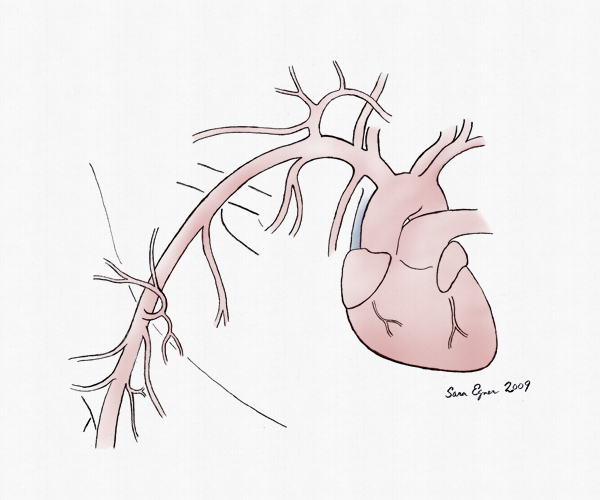
Blood gets pumped from the left ventricle, out into the aorta, where it goes either into the brachiocephalic trunk to get to the subclavian artery if it’s going to the right limb, or directly into the subclavian artery if it’s going to the left limb.
From the subclavian artery there is a branch to the vertebral artery, the internal thoracic artery, and the thyrocervical trunk, which has several branches including the suprascapular artery (which gets seen in an axillary dissection at the point where it courses under the suprascapular ligament and goes through the suprascapular notch) and also the transverse cervical artery (which supplies trapezius with it’s superficial branch, and if it splits into a deep branch supplies latissimus dorsi, levalor scapulae, the rhomboids, and more of trapezius).
Then costocervical trunk comes off of what is known as the second part of the subclavian artery. It branches into a Deep cervical artery, and a supreme intercostal artery.
The third part of the subclavian artery usually has no branches. But in people who’s transverse cervical arteries don’t split into a superficial and deep branch, you will find the replacement for that deep branch here. In which case it will be called the dorsal scapular artery and do all the things described above as the deep branch of the transverse cervical artery.
Then once you’ve passed by the first rib, the subclavian artery becomes known as the axillary artery. There is a popular mnemonic for this part, and it goes Suzi Taylor likes pot and sex (or sex and pot, those last few don’t always line up just perfectly). So that all goes…
Suzi – Superior (or Supreme) thoracic artery, which supplies the upper thoracic wall
Taylor – Thoracoacromial artery, which branches into an acromial, clavicular, deltoid, and two pectoral branches (you can spot it ‘cuz it looks like a little tuft of arteries bursting out there)
Likes – Lateral thoracic artery, which supplies the lateral thoracic wall
Pot – Posterior circumflex humeral artery (which then travels with the axillary nerve through the quadrangular space – I like to think of Ax smoking pot while he goes through a square environment)
And – Anterior circumflex humeral artery (which is smaller that the posterior one)
Sex – Subscapular artery, which immediately divides into the circumflex scapular artery and thoracodorsal artery. I’ve labeled this one lastly here, mostly to match the drawing above, but it often comes out before the humeral ones. you’ll know it by being the one in that last bundle before getting to Teres Minor where there is an immediate branch, and also because it will come off medially toward the scapula as opposed to the circumflex humeral arteries which both go wrapping around the humerus.
After the border of Teres Minor, the major artery becomes known as the brachial artery. I haven’t drawn that part here, but it will give off the profunda brachii, superior and posterior collateral arteries, and then break into a radial artery and an ulnar artery somewhere around the cubital fossa.
The Scapula
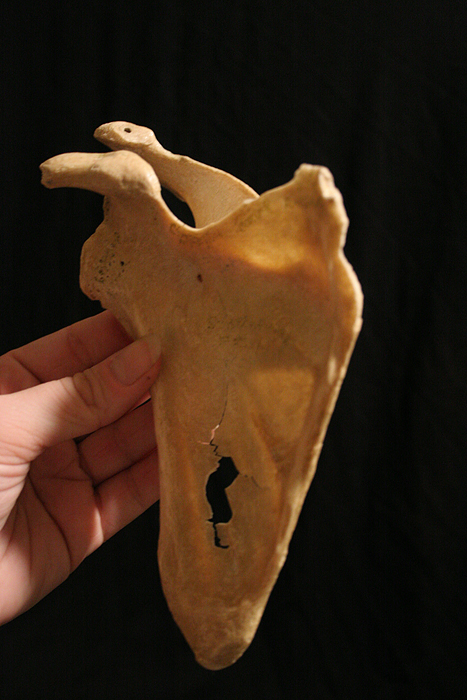
Lately, I’ve been thinking a lot about the scapula. It’s such a uniquely shaped bone, and such a central point to so many muscles. It is fundamental to the shoulder, but there isn’t anything like it in the hip. I suppose that one could argue that the shape of the pelvis accounts for the needs of the lower limb, and perhaps it is useful to have a more solid skeletal arrangement in our weight bearing joints, but then why do horses have scapulas?
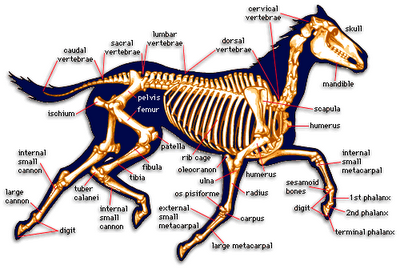
I suppose it must be some kind of evolutionary remnant. Perhaps we’re all meant to have wings. Or I suppose it could just be the way things have come together around the ribcage.
But musings aside, there is a lot to know about this bone. The photo above is taken from an anteromedial angle, so the protruding hook like shape up top is the coracoid process, and the curve in back is the acromion. The acromion comes out of what is considered the spine of the scapula. Between those two processes there is a space that runs the width of the scapula called the supraspinous fossa. The glenoid cavity is particularly important as it creates the glenohumeral joint with the humerus. It can be better viewed from the anterolateral view in the picture below. The bulges of bone matter on the top and bottom of that glenoid cavity make up the supraglenoid tubercle and the infraglenoid tubercle.
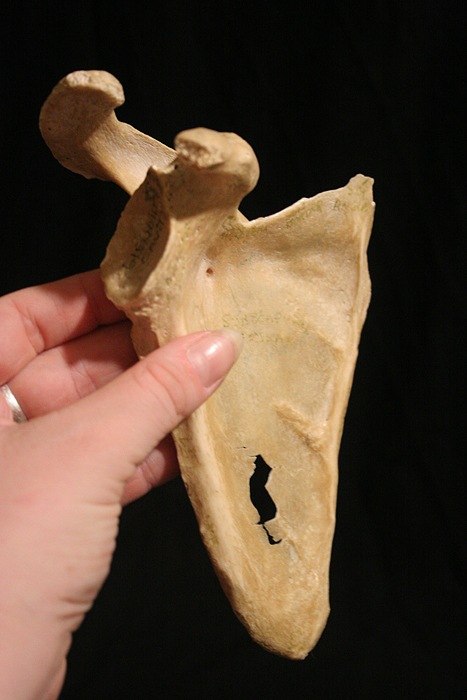
There are a lot of muscles which attach to the scapula. You wouldn’t think there would be room.
Supraspinitus sits in the supraspinitus fossa up top. It is the first of the SITS muscles (or rotator cuff muscles), which all plug in to the humerus distally from the scapula. It is innervated by the suprascapular nerve which travels through the suprascapular notch (sometimes called the spinoglenoid notch) in the scapula which occurs near the base of the coracoid process. The popular mneumonic “army over navy” is meant to describe the relationship between the suprascapular artery and nerve, as the artery (army) goes over the suprascapular ligament, where as the nerve (navy) goes under said ligament and through the notch.
Infraspinitus is the second in the SITS muscles. It attaches at the infraspinous fossa of the scapula (that would be the big flat part on the dorsal side) and reaches over to the greater tubercle of the humerus. It, like the supraspinitus, is inervated by the suprascapular nerve, and it is supplied by both the suprascapular and circumflex scapular arteries.
Teres minor would be the T in SITS, and it attaches to the scapula at the lateral border below infraspinitus and like the first two muscles here, attaches to the greater tubercle of the humerus. It’s innervation comes from the axillary nerve, and it’s blood supply comes from both the posterior circumflex humeral artery (which you may recall if you’re studying this stuff, travels along with the axillary nerve through the quadrangular space), and the circumflex scapular artery, which branches off the subscapular artery (and courses through the triangular interval) to form an anastamosis around the scapula with the suprascapular artery that I just listed as supplying the two superior muscles here.
And lastly, in the SITS mneumonic we have subscapularis. Subscapularis is the inferiormost muscle in SITS and it attaches to the scapula at the subscapular fossa (big flat area on the ventral side) and reaches over to the humerus, this time attaching at the lesser tubercle. It is innervated by the superior and inferior subscapular nerves. I have disagreeing sources as to where it’s blood supply comes from, but the subscapular artery is definitely involved.
Since we discussed Teres Minor, it only makes sense to move on to Teres Major. Teres Major takes it’s place on the inferior angle of the scapula. So it has the most inferior attachment on the scapula of any muscle. It also attaches on the humerus, but further down on the medial lip of the intertubercular sulcus (otherwise known as the bicipital groove). It is mostly innervated by the lower subscapular nerve, and supplied by the subscapular and circumflex scapular arteries.
Deltoid wraps over all of those mentioned humeral attachments and comes up to attach to the spine of the scapula, as well as the acromion, and also the lateral third of the clavicle. Then distally it attaches to the deltoid tuberosity of the humerus. It’s innervation and blood supply come from the axillary nerve and posterior circumflex humeral artery, which have traveled together through the quadrangular space to get to it, stopping breifly at Teres Minor on the way.
Trapezius, along with Deltoid, are the two most superficial and form defining muscles attached to the scapula. Actually, Trapezius is huge and attaches all over the place, but on the scapula it attaches at the acromion and spine, superiorly to the Deltoid. It is innervated by the spinal accessory nerve (CNXI) and receives blood from the transverse cervical artery.
Then, just beneath your Trapezius you’ll find the rhomboids, both major and minor. They reach from the spinous processes of vertebra C7-T5 (the distinction between the two coming between T1 and T2) to the medial border of the scapular spine. As usual, when you have a major and a minor of a muscle, the minor sits on top and is smaller than the major. Both are innervated by the dorsal scapular nerve, and supplied by the dorsal scapular artery.
Levator Scapulae is also innervated and supplied by the dorsal scapular nerve and artery, though it also takes some innervation directly from spinal nerves C3 and C4. It is positioned just superior to the rhomboids on the medial border of the scapula, which puts it just anterior to the scapular spine. And it comes from all the way up the spine at transverse processes of C1-C4. As the name would indicate, levator scapulae elevates the scapula. It is often called the “shrugging muscle.”
And while we are looking at the back, I may as well jump back down the spine to mention latissimus dorsi, aka “the climbing muscle.” This one only barely catches the inferior angle of the scapula and honestly, I have yet to see a picture that represents it as connecting at all, nor have I particularly noticed it in my own dissections (though to be fair, I wasn’t exactly looking for it). It has a much more noticable attachment on the spinous processes of C7-T1 as well as the illiac crest of the pelvis, inferior ribs and most distally at the floor of the intertubercular sulcus on the humerus after twisting around teres major. If you look closely, you can kind of see what that looks like here (taken from Thiemeteachingassistant.com).
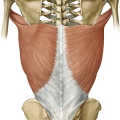
Latissimus dorsi is innervated by the thoracodorsal nerve which comes off the posterior cord, and supplied by the thoracodorsal branch off the subscapular artery.
Then anteriorly, coming from the medial costal surface of the scapula to the first eight ribs you’ll find serratus anterior. Attaching in bundles to each of those eight ribs is what gives the muscle its serrated appearance, and therefore name. It is also known as the “boxer’s muscle” because it gets worked when someone throws a punch. Serratus anterior is innervated by the long thoracic nerve, which is one of the more easily damaged nerves because of it’s long unprotected journey along the superficial thorax. And it takes blood from the lateral thoracic artery (Wikipedia includes a second arterial supply as well, but I have not seen that artery listed in other sources.)
Near the serratus anterior, you will find the pectoralis minor. Only minor attaches to the scapula, pectoralis major goes over pectoralis minor to attach at the clavicle and sternum. But pectoralis minor attaches right onto the coracoid process of the scapula, and reaches inferiorly to ribs 3-5 near the costal cartilages. It is innervated by the medial pectoral nerve, and usually the lateral pectoral nerve as well. And it is supplied with blood by the pectoral branches of the thoracoacromial trunk.
Coracobrachialis also attaches at that coracoid process on the scapula (as the name would suggest). It is the smallest of the three muscles that attach there, and I’m a personal fan of it because it makes for an easy orientation point when you’re trying to sort out the brachial plexus. You can always spot coracobrachialis because it is pierced by the musculocutaneous nerve, and you can always spot the musculocutaneous nerve, because it is the only one piercing a muscle like that in that axillary area. And yes, the musculocutaneous nerve is the one innervating this muscle.
Then the third muscle attaching to the coracoid process is the biceps brachii, specifically, the short head of the biceps brachii. The long head runs through the intertubercular (or bicipital) groove of the humerus and attaches at the supraglenoid tubercle of the scapula. Both heads distally attach at the tuberosity of the radius and bicipital aponeurosis. The biceps brachii are also innervated by the musculocutaneous nerve, just after it comes out the other side of coracobrachialis. It is the continuing fibers of the musculocutaneous nerve after they have passed through the biceps (around the elbow) that are then referred to as the lateral antebrachial cutaneous nerve.
And opposing the biceps brachii, there are the triceps brachii muscle (hardly sounds like a fair fight now does it?) It is only the long head of the triceps brachii that attaches to the scaplula. This attachment occurs at the infraglenoid tubercle. The lateral and medial heads attach at the posterior humerus, superiorly and inferiorly to the radial groove respectively. Distally, all the heads attach at the olecranon process of the ulna. Since the axillary nerve already broke off and went up to innervate teres minor and deltoid, the only branch left off the posterior cord to supply another posterior compartmentalized muscle is the radial nerve, and that’s where triceps brachii gets it’s innervation. And it’s blood supply comes from the deep brachial artery (otherwise known as profunda brachii.)
Now if you’re studying the shoulder area, you can count yourself done, but I would be remiss if I didn’t after all this admit that the omohyoid muscle does in fact also attach to the scapula. It rises from the superior border, or sometimes from the suprascapular ligament and inserts on the hyoid bone in the throat.
So as you can see, that’s a whole lot of muscle pulling that bone all around. And I know I only mentioned the suprascapular ligament specifically (which I should say also goes by the name superior transverse scapular ligament), but there are also the coracoclavicular ligaments, an acromioclavicular ligament, a coracoacromial ligament, a coracohumeral ligament, and a whole coating over the glenohumeral joint called the joint capsule glenohumeral ligaments and the axillary recess (at the base of that joint, my guess is that the axillary recess is there to provide a little extra material and enable more movement in the joint.) Here is the old Grey’s Anatomy image (grabbed from Wikipedia) to help illustrate those, though if you pay close attention to the names, you will find them mostly clearly named for the structures they connect.
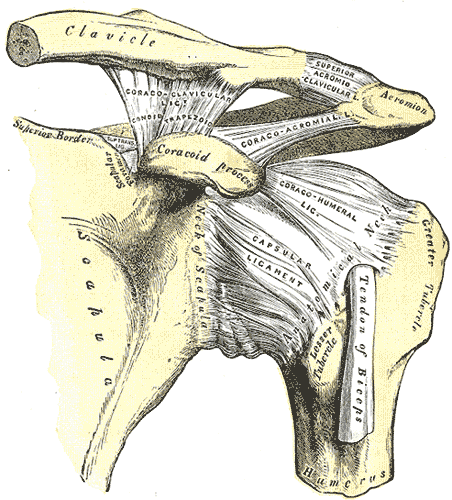
So yeah, there’s a lot going on in here. As a friend recently said “No wonder it took 2.5 years for my shoulder injury to heal.”
Surgical Media
Yesterday I met with a very interesting man on campus, Chet Childs, about doing an independent study with him. The original thought was to learn about medical and scientific photography from him, but it looks like he’s doing a lot of surgical video work as well, which I have also been interested in for quite some time. I have a strong background in both photography and video editing. These were my primary means of income when I lived in LA. So finding someone who is using those kinds of skills in this, my new world of medicine and anatomy is such a perfect move for me. Sadly, I hear this is a dying niche, budget cuts, and these hard economic times, and all those lines we’ve all heard so very many times at this point. But there seems to be a need. So I’m going to look into this.
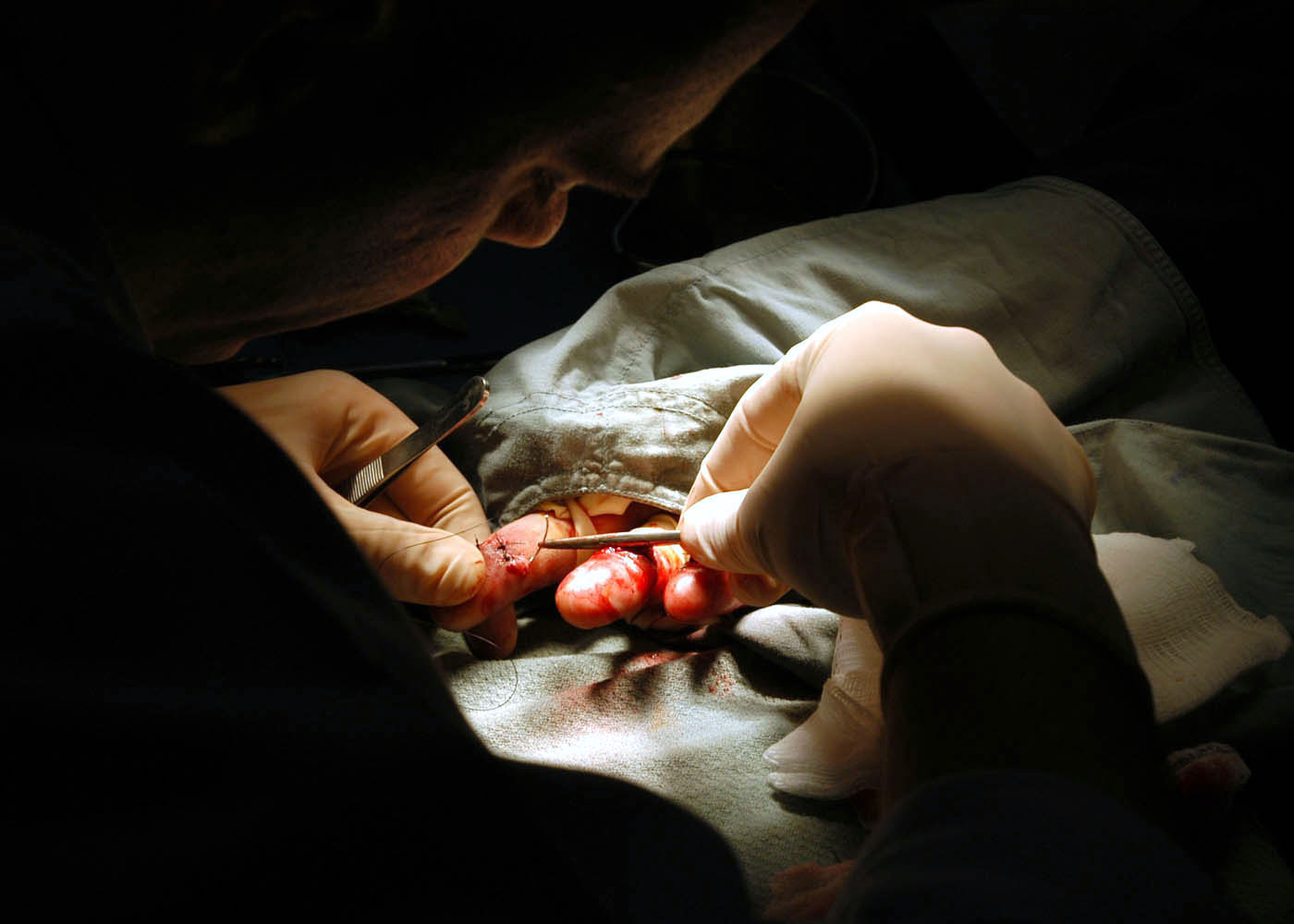
photo by Dexter Roberts
Tom Tips His Hat
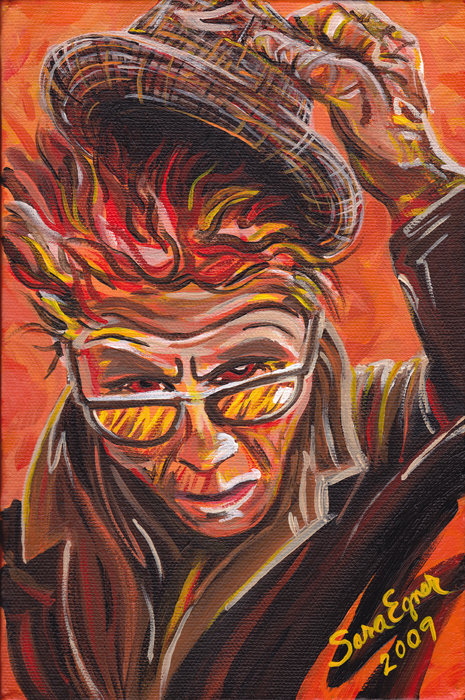
I recently managed to knock another painting out. This isn’t anything medical. In fact it’s my first time doing a celebrity likeness. The really fun thing about doing a celebrity likeness is when people start to be able to tell who it is you’re painting without you telling them. But I won’t play that game here. This is my painting of Tom Waits, and I just signed it this morning.
Selling a Painting
Recently I was contacted about an old painting of mine and well, it looks like I’m making a sale. Goodbye little Black and White Tree by the Moon! I will miss you, but I know that you are going to a good home.
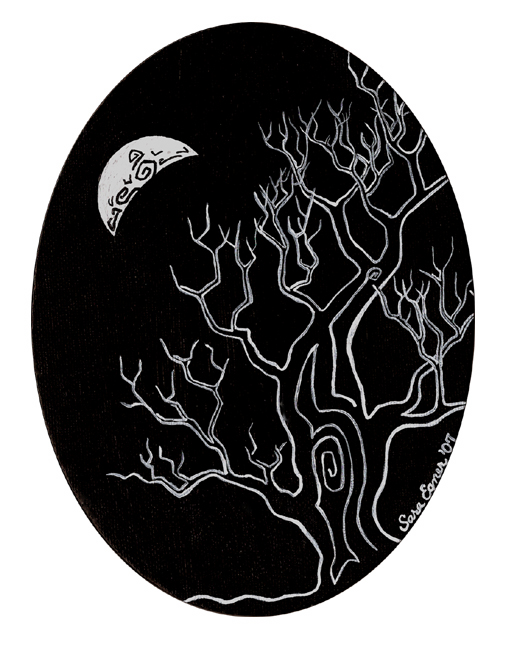
Now to figure out how one does shipping and such. I don’t believe I’ve had cause to ship a painting yet. I’m glad this is a small one. Come to think of it, this is the first piece I’ve sold since moving to Chicago. How lucky I am that any one remembers these. And I simply must get around to showing out here.
Gross Anatomy
It never ceases to amaze me just how much there is to know when you take an anatomy class. Last spring it was all craniofacial anatomy. And it was enough to fill an entire semester. I broke a large binder with so many notes! And now I find myself back in Gross Anatomy. I started the class once before, but I wasn’t ready for it then. I’m much more prepared this time, but my goodness, I’d forgotten how much there is to know, and fast too. We’re currently looking at the axilla with special attention to the brachial plexus. So of course I thought I’d post a couple of found images of that space.
The first is from the UNC website, and I just like the illustration. I’ve always been a fan of combining photography with illustration like that.
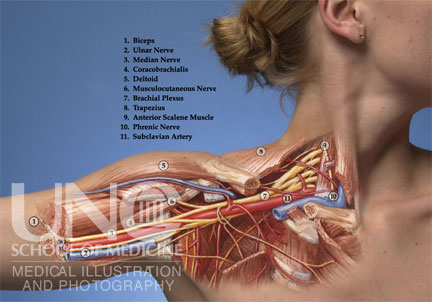
And the second is a classic Netter image. Because it is clear, and because I’ll probably want to look at it myself tomorrow when I’m studying…

Anaplastology
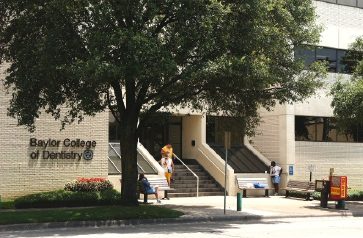
Sometimes we simply learn the most about a thing when we immerse ourselves in it. Last week I had the opportunity to do just that, by shadowing anaplastologist, Suzanne Verma, throughout her day to day at Baylor. Her work is based in the Baylor College of Dentistry and seeing an anaplastologist working in a dental environment like that really solidified for me the history of how anaplastology has grown out of dentistry.
I was given the opportunity to see some of the work of Dr. Jorge Gonzalez while I was there as well. He is a prosthodontist, which is actually rather similar to an anaplastologist with the exception that they work intra-orally, whereas an anaplastologist works extra-orally. Many patients will require both an anaplastologist and a prosthodontist, so having these two working in such close proximity seems to facilitate care in those types of cases. There also just seems to be a good symbiosis there, as they are similar fields which utilize similar solutions to problems, but also varied enough to introduce different ideas into each other.
While I was there, I spent a lot of time looking at materials and equipment. From the various types of implants used across anaplastology and dentistry, to the various materials utilized in taking impressions, or the bigger pieces of equipment used in the lab, or even the scanners and technology available. One of the problems that I hadn’t been previously aware of is that there is so much equipment and software being developed for dentistry, but much of it ignores the needs of an anaplastologist. So sometimes you can have an amazing program that allows you to scan shapes and plan surgical implants, but if you can’t tell it which teeth you want to replace, it won’t allow you to continue. Because anaplastology is a still a small field, there aren’t many manufacturers gearing their products toward it.
A couple of favored companies stood out in my time at Baylor, one was Nobel Biocare, which is a direct descendant of Branemark and his early research which discovered osseointegration in the first place. These guys make the best implants and abutments for anaplastology use today, and they also develop impressive scanners and software. And the other was Factor II, Inc. which makes a lot of the silicones and adhesives used in silicone prosthetics today.
Personally, I find myself curious as to what technologies are utilized among brain surgeons or just in general manufacturing that might be of use in an anaplastology clinic. I can think of so many things that would cover some portion of the needs there, but I’m at a loss for anything that would truly be a perfect match. Actually, I find myself thinking a lot about what sciences and industries have tools and expertise to offer each other. Perhaps it is that tendency to look across fields that I have to offer to any individual one myself.
Heading Home from the Clinic
yup that’s me, about to head home from the clinic, testing the basic water soluble medical adhesive. Turns out, it’s pretty sticky.
Clinical Observationship at Baylor
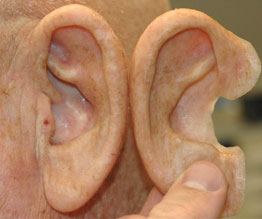
More to come on this later, but I just wanted to say that I am spending the week in Texas at the Center for Maxillofacial Prosthodontics in the Department of Oral and Maxillofacial Surgery at the Baylor College of Dentistry. I’ve only just been here today now, but I have to say that this is a wonderful establishment with an impressive team spanning across specialties. So far this is turning out to be a wonderful experience to further explore my interest in anaplastology which is what brought me to Chicago and medical art in the first place.
References
I was thinking about references today. I think that these days, most artists have at least a folder if not several in their computers harboring various images we’ve found and grabbed over the years. But where do you go when you’re looking for something new? Sometimes you just need a kick, some bit of inspiration, or some anatomical reference that your own collection just doesn’t cover.
So here are just a few sites that I like to look at for such matters.
Please comment with your own favorites if you have some that you’d like to share.
I suppose the obvious one, is Vanessa’s Think Anatomy site which highlights all sorts of cool new things and links to a lot of good anatomy references.
http://thinkanatomy.com/
Tsvetomir Georgiev is doing some really neat work with 3ds Max and ZBrush that will get you thinking about just what all can be done there.
http://ceco.cgsociety.org/gallery/
A friend sent this link to me a long time ago, and I still keep it bookmarked for any time I want to look at interesting faces. These are mostly older faces, with lots of wrinkles. Some of them are exaggerated just a bit with use of a wide angle lens, or just by letting the model’s own glasses affect the look of their face. They are great character shots though, and I’d be happy to sing praise of the photographer if only I could read Russian well enough to know which of these strings of letters was in fact his or her name.
http://www.interesno.dn.ua/interesting-photo/interesting-photo-people/8-photo-interesting-people/242-homo
Another site I’ve been getting a lot out of lately is the LiveJournal blog of Riotclitshave. As the name suggest’s, not all of the images are exactly family or work friendly. They’re not particularly anatomical in nature either, but I have found her posted collection to be really helpful at times with more than a couple projects now.
http://riotclitshave.livejournal.com/
When looking for skeletal reference, I often come back to some photos I took myself, back when I had bones lying around the apartment for a class. I did one shoot with a box of bones, and another with a skull I had over here last semester. These shots don’t so much utilize the upper left hand light rule, but they are good clear shots of bones, and bone features.
http://snapshotgenius.com/gallery/bonebox
http://snapshotgenius.com/gallery/skull-A188