Meanderings of times to come
I often find myself thinking about where this whole scholastic track that I’ve put myself on will lead. Will I actually get to be an anaplastologist? Will I find myself working in animation? Will I discover new innovations in how 3D animation software can be utilized to design and develop prostheses? Will my time in the clinic afford me important experience with which to make educational animations and films? Will I wind up doing something completely different? The truth is, I just don’t know. I came out here to get in to anaplastology with the intention of focusing on hands and fingers as a specialty, and just within the year medicare and various insurance companies stopped covering somato (and therefore finger and hand) patients for any anaplastologist not actively working with a licenced prosthetist. Who could have anticipated that? To keep competitive in facial prostheses I need to stay in practice with osseo integrated prostheses. Next year I will be an intern, either with the clinic where I spend so much time now, or somewhere else. While the thought of moving is daunting, I can’t help craving another view at this new world I’ve found. This March I will be attending the annual International Association of Anaplastology conference for the first time. It was a tough decision signing up for anything in March when I don’t know where I’d be living and therefore traveling from to attend yet, but I’m glad now that I registered. I’m really looking forward to connecting with others in the business and getting more pieces in how the whole puzzle fits together. Anyway, these are the meanderings of your sleepy blogger tonight. Goodnight to you all.
Variations in Lighting and Render Passes
They say the devil is in the details, and ain’t that the truth. We recently did an assignment for my Maya class where we took a model from our final projects and used different lighting techniques and types of render passes for identical scenes. It’s pretty clear here that one can achieve some really different looks by knowing what they are doing in their render settings. Better still is that some of these can be combined later in After Effects to create a combination of looks as desired.
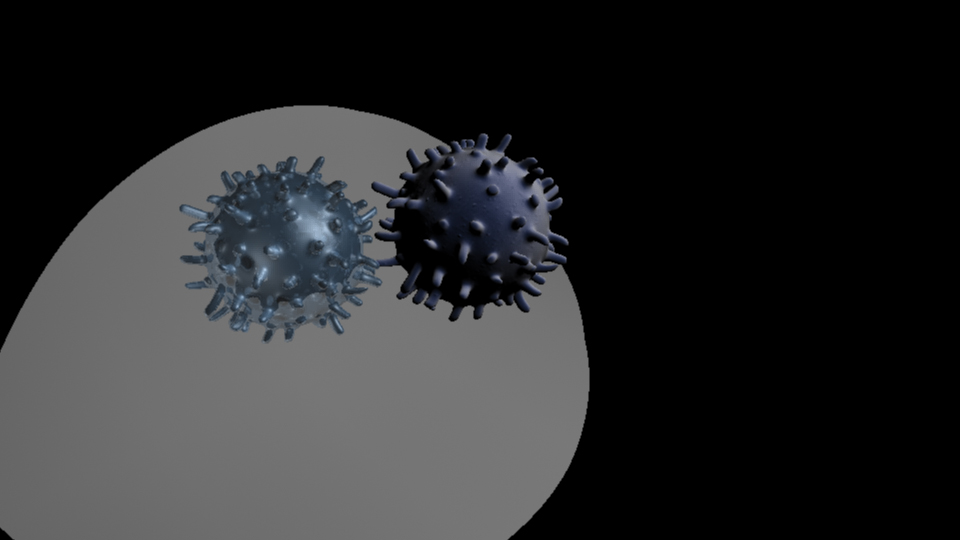
This first one is just standard raytracing.
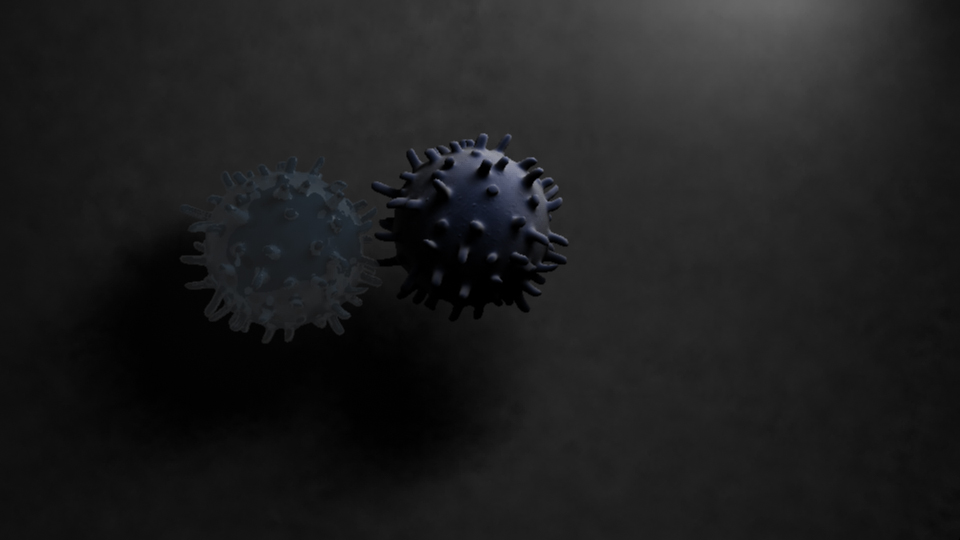
This one is just with final gather, using a pumped up surface shader for a light, like the movie theater example.
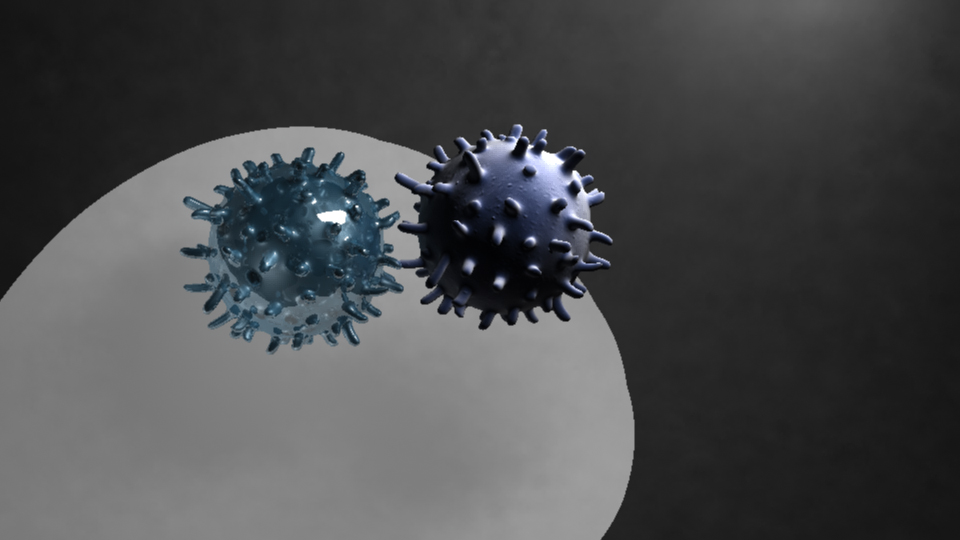
Still in the Mental Ray renderer, this one uses both the final gathering shader applied to a plane, and also a standard spot light.
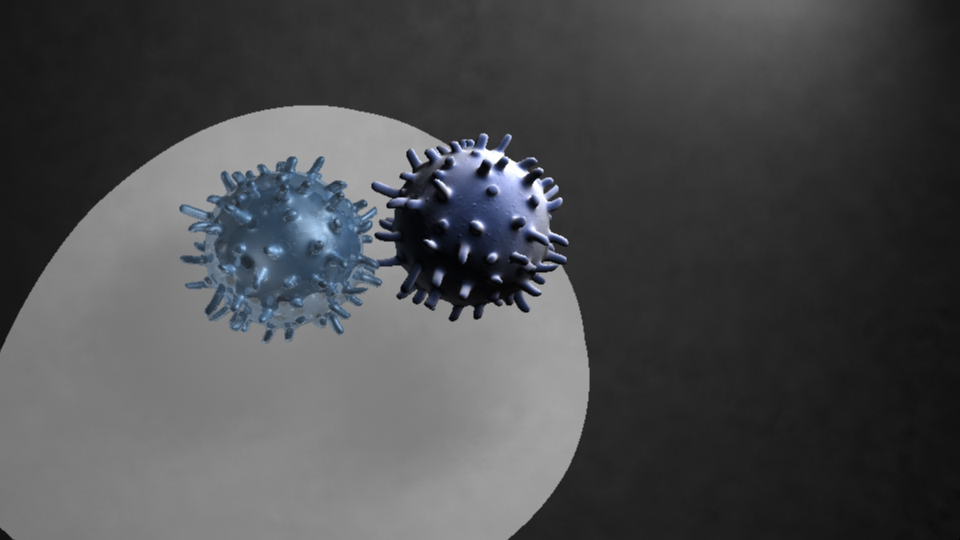
In this one, everything is on.
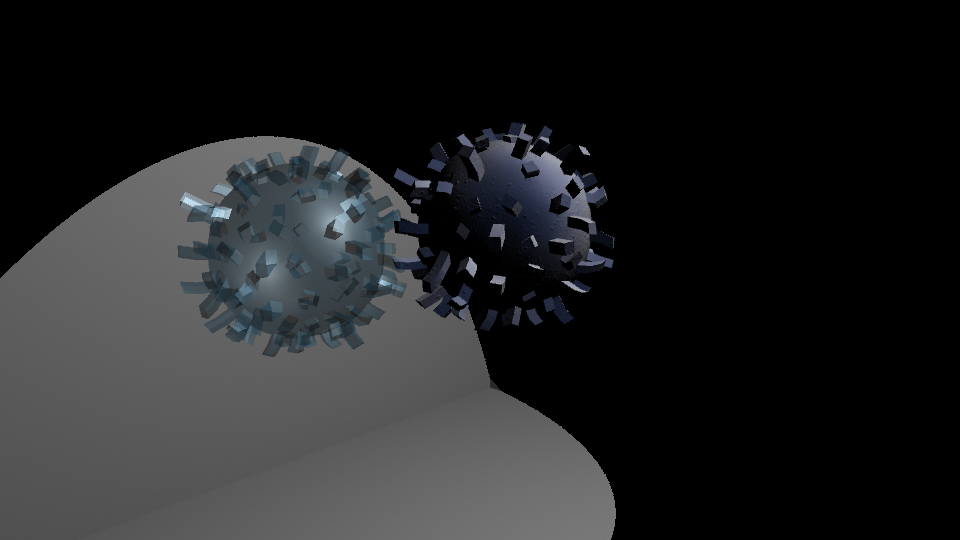
This is using the Maya Software renderer. As you can see, I’ve lost the soft effect entirely from the modeling.
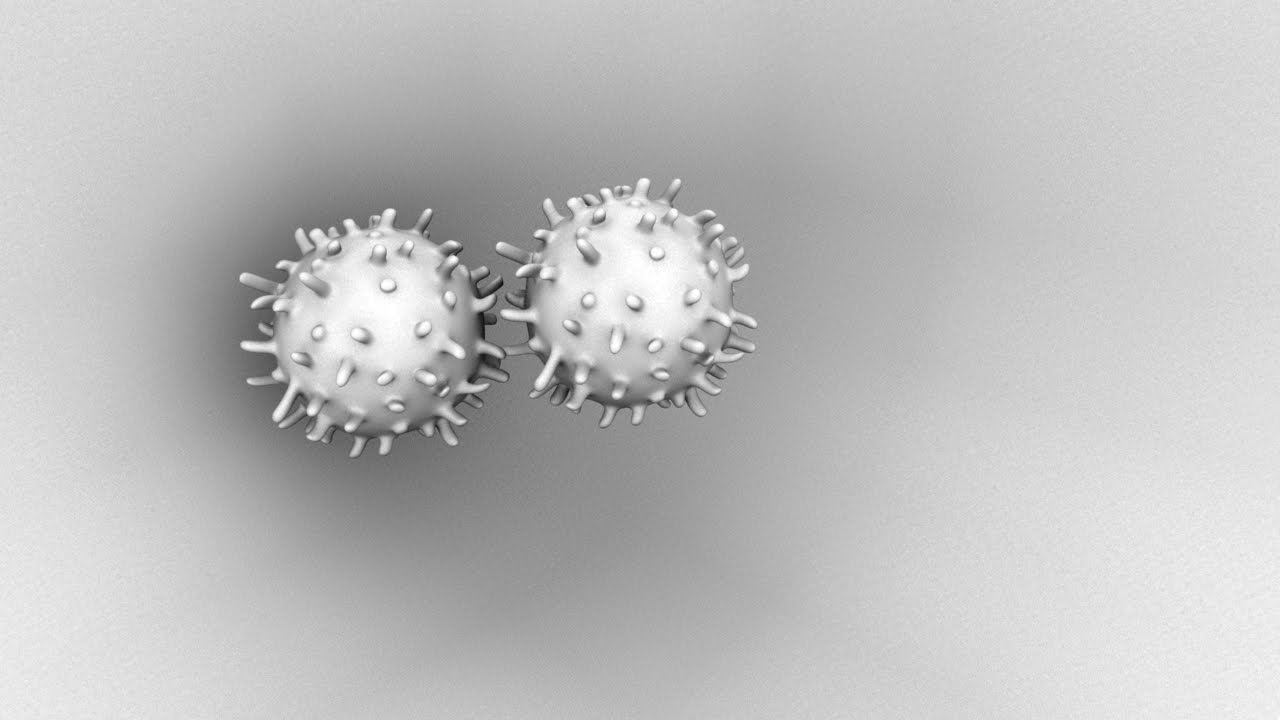
And lastly the ambient occlusion pass.
Pretty neat!
Happy Halloween
Happy Halloween everyone!
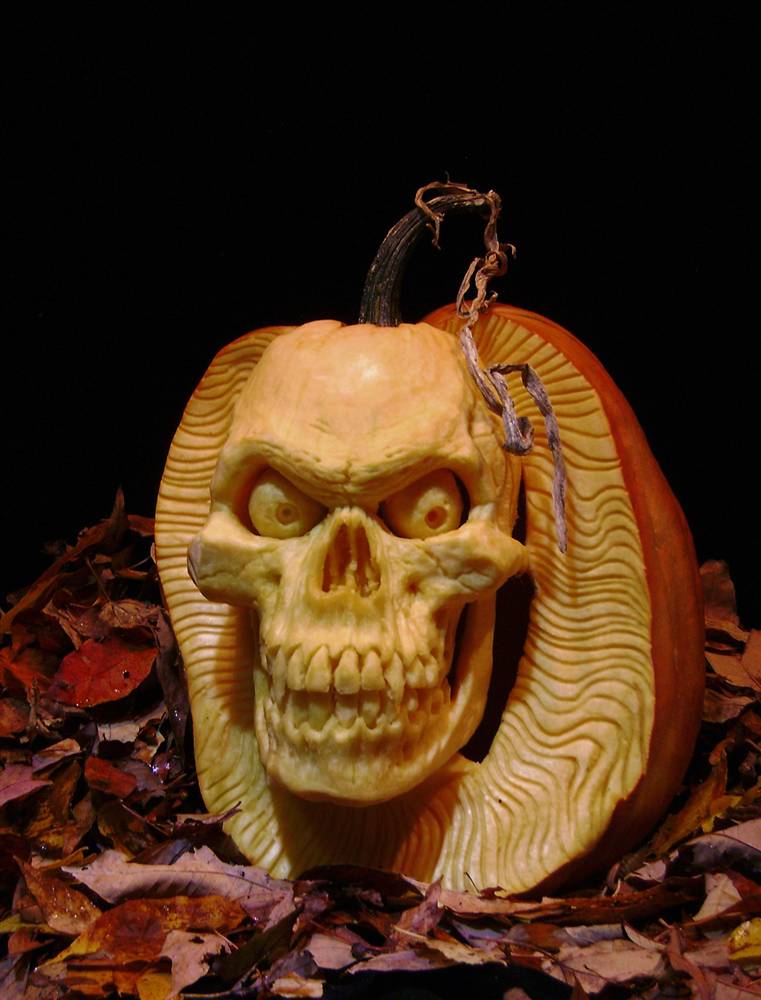
Enjoy this amazing pumpkin carving by artist Ray Villafane from Michigan.
Maya – learning about textures and lighting
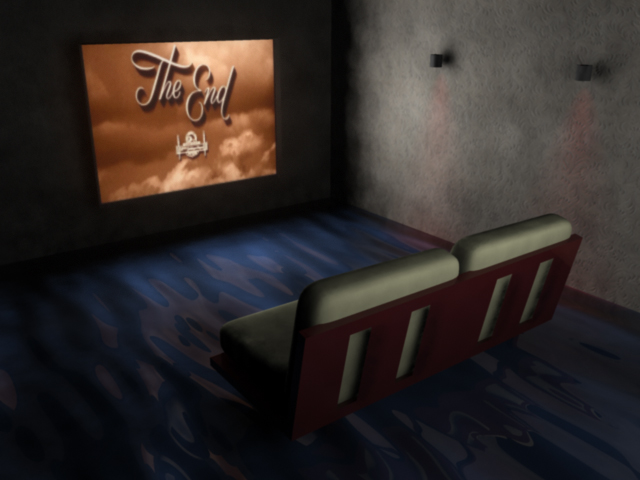
Been working with lighting and textures lately in Maya. Inevitable technical frustrations aside, some of this stuff is actually pretty cool. This particular scene is lit (with the exception of two small low intensity red spot lights against the wall) completely with planes textured with a surface shader. The surface shaders were turned up to white and then the value increased in the settings until the texture itself (and thus the plane) was actually projecting a nice white light. The planes themselves have their primary visibility turned off within their render stats. One is just in front of the glowing screen, and the other is behind the room to cast light as if it were coming from another room or area.
You’ll also notice the use of an ocean shader for the flooring. I mean, who wouldn’t want a home entertainment den that was also it’s own fountain or pool? This is just simple use of the ocean shader that comes with Maya. You can pick your colors. I grabbed reflective colors from around the room (particularly the movie playing, which by the way is the last frame of The Wizard of Oz – in case you were curious.)
Sometimes it’s fun doing things that aren’t anatomical at all.
Upcoming Armitage Lectures

This coming week marks the 2010 Armitage Lecture series at UIC. Last year we had special guest speaker, David Bolinsky talking about his career and in particular his recent work on The Inner Life of a Cell. This year, we have special guest speaker Jane Hurd of Hurd Studios. I had the pleasure of meeting Jane last summer at the 2010 AMI Conference where she was named president-elect of the association. She seemed really cool, and I look forward to hearing more from her this week at our lecture series.
Joining Jane, we will also have presentations by Christine Young and Vanessa Ruiz (of streetanatomy.com), and then Dr. Luc Renambot the following day. If you would like to join us, the lectures are free, and the exact schedule is as follows…
Sliding Filament Video, Still Being Watched Apparently
Wow, my first YouTube video to surpass 20,000 views, and it’s my educational piece about the sliding filament theory of muscle contractions from my Animation 1 class with Greg Blew. Neat. I just wish I had said adenosine right, instead of muddling the word into adenine as I’d thought it was supposed to be said at the time. Just the same, it seems to be helping people understand the process.
Through a Blood Vessel
Last week I finally managed to export a playblast from Maya of my blood vessel project. It’s nothing too impressive at this stage, but I’m liking the roller coaster ride feeling of it…
Here are a few stills to give you a better idea of what the final render will look like…

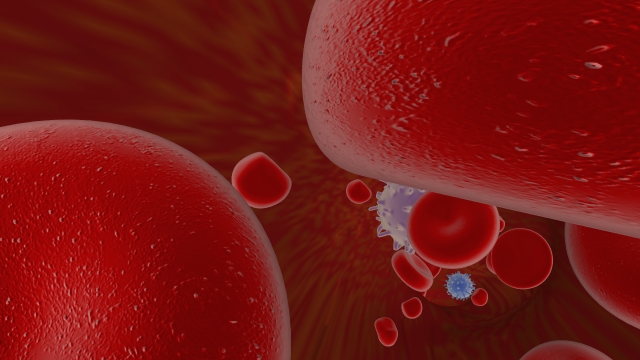
I recently decided to end the ride with the blood cells being pulled off course up into a blood clot. Seemed like a fitting end to the journey. But I’m currently having some difficulty with rendering images that use a jpeg in the color channel. I’m still not certain if this is a matter of my laptop’s capabillity or some limitation of the Maya Hardware renderer which has allowed me to do some other tricks with my textures that I really don’t want to give up. Anyway, here is a screen shot of that final clot area as it stands now.

I still need to model some fibrin in there to really say blood clot, but the rendering difficulties have made it very difficult to do anything lately. I’m trying to change up the texture of the vessel walls themselves as well. Fingers crossed for awesome results!
We Burn: Chicago Burning Man Art
animation model work in progress
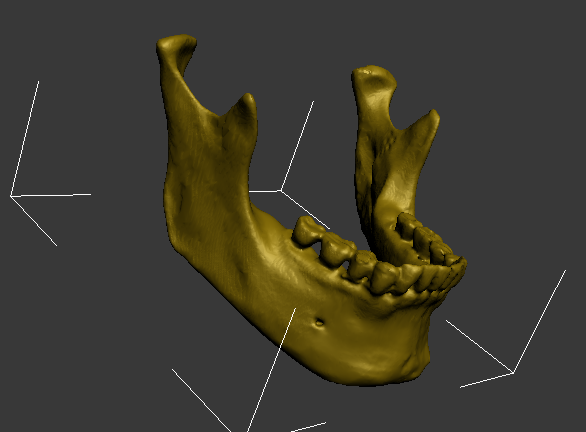
This right here has been my primary obsession of late. I get one area looking decent and I notice another where the polygons are all a mess. Today the main area of concern has been the teeth.
Must finish.
Must complete animation.
Must graduate.
Upcoming Art Showing
Well, I’m doing it again! It’s time to show some paintings!
This time I’ll be showing with We Burn Chicago! Local Chicagoans, please do come and check out some fine work from your local burners.
I’ll personally be showing these paintings and more!
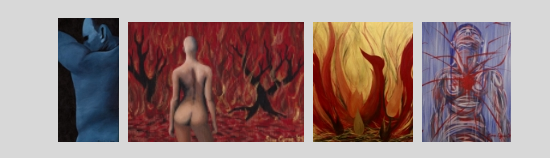
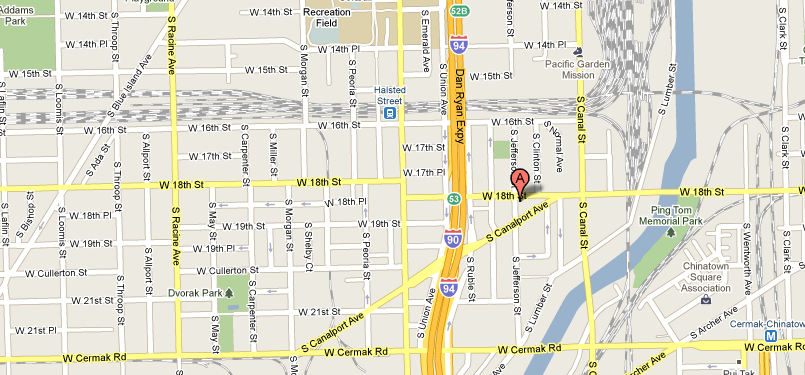
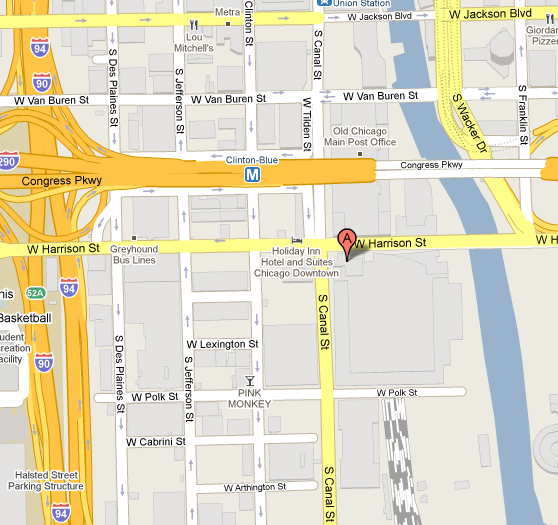
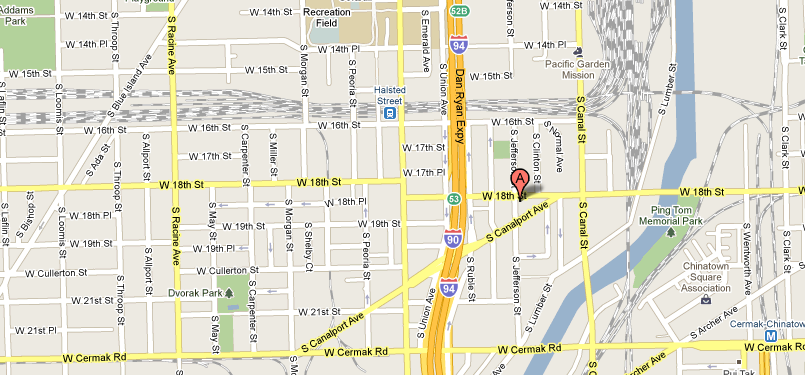
Come find us at the Morning Glory Gallery at 571 W. 18th, 1R, Chicago, IL 60616!
We’ll be there Saturday, October 16th and Sunday, October 17th.